
Tag: Team Dynamics
-

The Change Curve: Understanding Team Responses to Change
The Change Curve gives leaders a way to recognize and respond to the emotional and behavioral stages teams move through during disruption. This post outlines how to apply the model with practical tools, systems, and insight. Learn how to lead change more effectively by meeting people where they are while keeping progress on track.
-

Collaboration and Innovation: How Teams Create Breakthroughs
Innovation doesn’t happen in silos. This post explores how collaborative teams create smarter, faster breakthroughs by building trust, embracing diverse input, and turning healthy tension into forward motion. Learn how to avoid common pitfalls and structure collaboration to strengthen your culture, accelerate ideas, and drive operational success across every function.
-
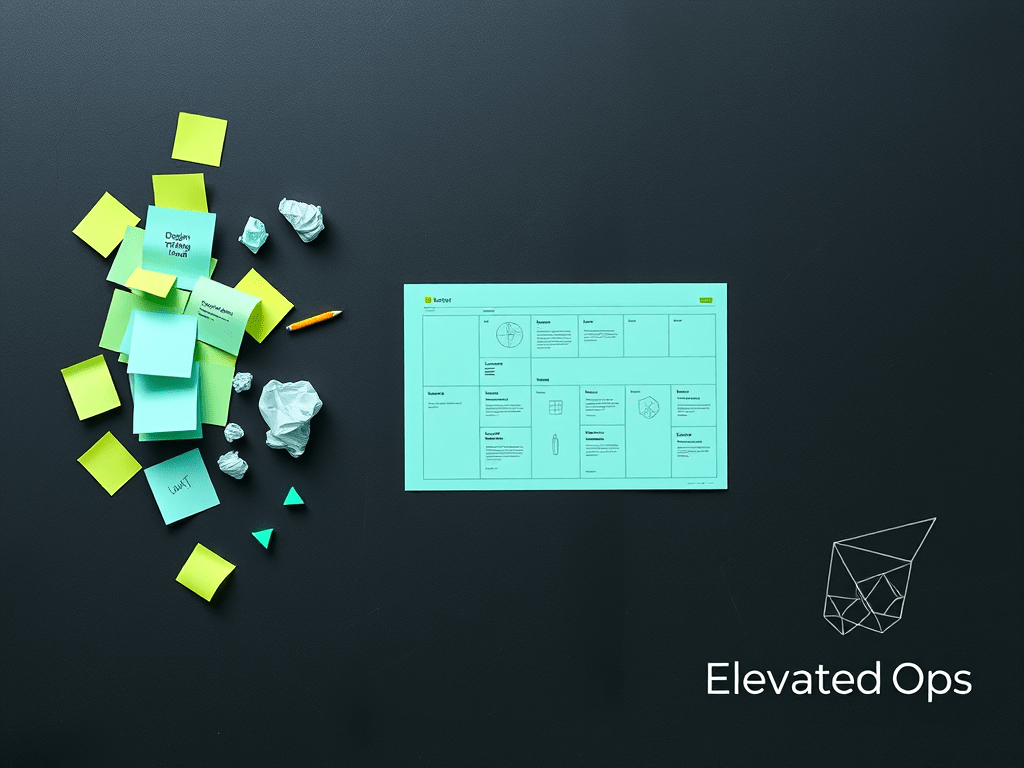
Using Design Thinking to Solve Complex Problems
Design thinking isn’t just for designers — it’s a scalable framework for solving complex, people-centered problems. Learn how teams across operations, compliance, and support can use empathy, structured exploration, and fast iteration to build better solutions, reduce friction, and unlock smarter systems that work for real users.
-

Building Your Dream Team: Leadership Tips for Entrepreneurs
Building a high-performing team is more than just hiring top talent—it’s about cultivating a culture of ownership, innovation, and resilience. This guide explores strategic hiring, leadership development, and scaling best practices to help entrepreneurs assemble a team that executes their vision and drives long-term business success.
-

The Art of Listening: Strengthening Communication in Teams
Effective leadership hinges on active listening, which fosters trust, encourages innovation, boosts morale, and reduces conflicts. By prioritizing listening, leaders enhance communication, cultivate a supportive culture, and improve overall organizational success, ensuring employees feel valued and engaged. Click to read the final March focus on Leadership Mastery.
-

Leadership Styles: Finding Yours and Adapting to Your Team
Effective leadership requires adaptability and self-awareness. Here we dive into identifying a personal leadership style and adapting to the uniqueness of our teams. Click to read the full blog.
-

Dealing with a Difficult Boss: Overcoming Low Emotional Intelligence
In an ideal workplace, leaders with high emotional intelligence foster supportive and productive environments. Recognizing signs of a low-EI boss, employees can employ strategies to thrive despite challenges. Cultivating self-awareness, clear communication, setting boundaries, focusing on solutions, seeking feedback, and leveraging strengths are key strategies. Seeking additional support may be necessary if the situation becomes…
-

Personality Assessments as Tools for Synergy
Personality assessments offer key insights into team dynamics, enhancing communication, collaboration, and conflict resolution. Popular tools include MBTI, DiSC, CliftonStrengths, Big Five, and Enneagram. Understanding team members’ strengths and preferences fosters productivity, stronger relationships, and effective conflict resolution. Implementation involves choosing the right assessment, interpreting results, providing feedback, and creating action plans for improvement.
 ElevatedOps Consulting, LLC