
Quick wins are exciting, but they’re not enough to sustain a business. Long-term clients are what create stability, trust, and lasting impact.
Yet relationship longevity doesn’t happen by chance. It’s the result of structured, intentional actions that build confidence over time. From the way you onboard new clients to how you handle quiet periods, every interaction shapes their sense of alignment with your business.
In this post, we explore how to strengthen client partnerships through proactive communication, value expansion, operational clarity, and systems that support trust.

Understanding Relationship Stages
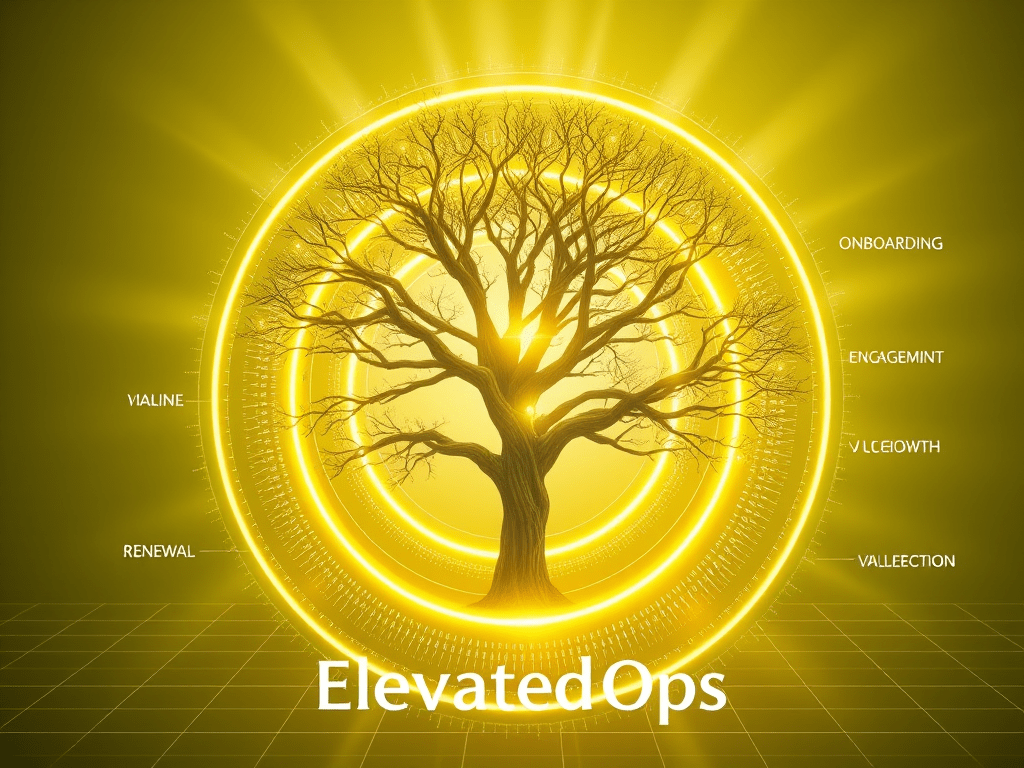
Client relationships are not static. They evolve through stages, each with its own needs, risks, and opportunities. The businesses that thrive are the ones that recognize and respond to these changes, rather than treating all clients the same.
Stage 1: Onboarding
The first few weeks set the tone. Clients are learning your process, interpreting your responsiveness, and forming their expectations.
What matters here:
- Clear timelines and deliverables
- Transparent communication about what’s coming next
- A focus on ease, not just delivery
Stage 2: Engagement
Once the initial work is underway, clients begin to assess consistency. They want to see whether what was promised is what’s being delivered.
What matters here:
- Reliable follow-through
- Availability when questions arise
- A visible rhythm of progress
Stage 3: Deepening Value
Over time, clients shift from assessing performance to evaluating fit. Are you helping them move forward? Are you invested in their outcomes?
What matters here:
- Thoughtful suggestions beyond the immediate scope
- Collaborative discussions about new needs or shifts
- Friction reduction and proactive improvement
Stage 4: Renewal or Expansion
If the relationship is strong, clients may renew or expand their engagement. If it’s weak, they may quietly leave.
What matters here:
- A clear understanding of past outcomes
- Realistic proposals for next steps
- Recognition of the relationship’s evolution, not just a contract renewal
Each of these stages benefits from systems that reflect awareness, not automation. The goal is to match your structure to your client’s journey, not the other way around.
Proactive Communication Systems
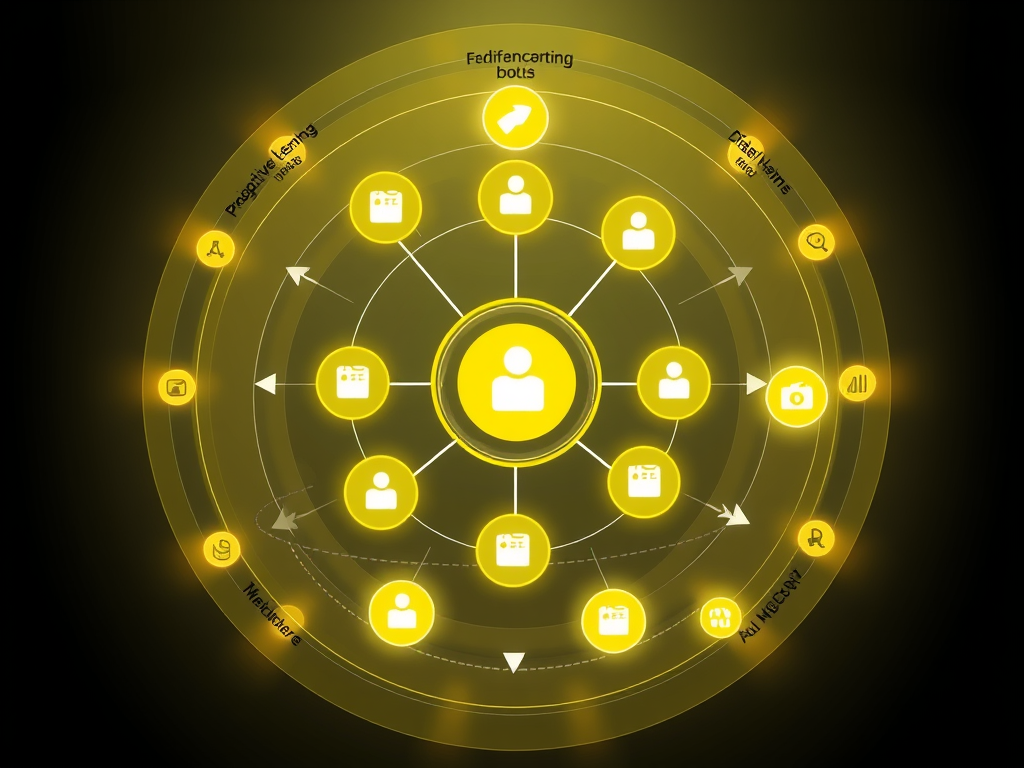
Sustainable client relationships depend on communication that’s consistent, thoughtful, and designed to prevent surprises. This doesn’t mean more messages. It means smarter ones.
Regular Check-Ins
Set a cadence that makes sense for the scope of work. For some clients, that’s weekly syncs. For others, it may be monthly recaps. What matters is that the client knows when they’ll hear from you, and what kind of update to expect.
Milestone Reviews
Instead of only looking backward during retrospectives, use milestone reviews to:
- Reflect on recent progress
- Realign around goals
- Flag adjustments or pivots early
This shows that you’re paying attention, not just delivering.
“Quiet Client” Alerts
Clients don’t always raise their hand when something’s off. Sometimes, silence means they’re disengaged or unsure how to bring up a concern.
Track:
- Gaps in engagement
- Changes in tone or responsiveness
- Missed checkpoints or delayed feedback
Use these signs as cues to reach out before the relationship weakens.

Value Expansion Over Time
Delivering consistent work is essential, but to sustain a long-term relationship, clients need to feel that your value evolves alongside their goals.
This doesn’t mean always upselling or adding services. In fact, the strongest relationships often deepen through insight, not scope.
Ways to Expand Value:
- Share relevant resources, trends, or strategies that fit their context
- Ask about emerging challenges or shifting priorities
- Offer collaborative space to co-design next steps based on where they’re headed, not just where you’ve been
Clients who feel seen and supported are more likely to renew, refer, and grow with you. That happens when you anticipate needs, not just react to them.
Reducing Friction and Increasing Retention
Trust breaks down when processes feel confusing, inconsistent, or overly dependent on a single person. That’s why operational clarity is just as important as communication.
Operational Consistency
Make sure your processes are clear, repeatable, and well-documented. Clients should never feel like they’re starting over every time a new request comes in.
Point-of-Contact Clarity
Whether you’re a solo operator or part of a team, clients need to know:
- Who they can contact for what
- How to escalate an issue or request support
- What to expect in terms of response time
Confusion in these areas leads to frustration, even when the work itself is strong.
System Transparency
Let clients see your systems when it helps build trust. For example:
- A shared project tracker that shows status and next steps
- A calendar link or booking system for easier scheduling
- A documented summary of what’s included, what’s next, and how you’ll stay aligned
Friction is not always about the big stuff. Sometimes it’s the accumulation of small misalignments that quietly push clients away. Reducing that friction strengthens retention, through better design, without requiring more sustained effort.

Loyalty Is Earned Through Aligned Action
Clients don’t stay because of good feelings alone. They stay because your work, your systems, and your communication all support their success.
Trust is earned through consistency. Retention is built through shared clarity. And long-term partnerships are sustained by mutual respect, not just early wins.
This month, audit your current client journey. Choose one relationship and walk through the experience from their side. Where are the moments of clarity? Where are the gaps?
What would it look like to treat long-term relationship-building as a process, not just a possibility?
July 2025’s weekly content stream has been customer-focused and grounded in business relationship management. We have one more to finish out strong. Join us next week for, Celebrating Wins: The Importance of Customer Appreciation.
ElevatedOps is a one-human company—curious, committed, and continuously improving. If this article resonated, feel free to share it or connect with us on LinkedIn. You’ll find all links on the Contact Us page. Thanks for reading—see you next time.
 ElevatedOps Consulting, LLC