

Feedback often gets treated like a report card: something to read, react to, and file away. At its core, feedback is one of the most underutilized tools for innovation. When captured and used intentionally, it becomes a strategic asset that reveals opportunities you might otherwise miss.
Businesses talk about listening to their customers, but few create systems that actually turn what they hear into progress. The same is true internally. Teams often have the knowledge to improve processes, but there’s no formal mechanism to surface and act on that knowledge.
Innovation doesn’t have to begin in R&D. It can begin in your inbox, your ticketing system, or your team meeting notes. This post explores how to structure feedback loops that power smart iteration, stronger collaboration, and sustained growth.
Feedback as a Direction
Too often, feedback is collected because it’s expected. A survey gets sent. A comment is logged. That’s the end of the process.
When feedback is structured and reviewed with purpose, it offers insight into the friction points that slow your business down, the gaps between your intent and impact, and the moments where loyalty is built or lost.
It can help uncover:
- Processes that look clear from the inside but are confusing for customers.
- Internal tools that add complexity instead of streamlining work.
- Missed signals during onboarding, sales, or support that lead to churn or silence.
Treating feedback as part of your innovation system means making space for it, not just when something goes wrong, but as part of your normal operations.
Types of Feedback That Matter
Not all feedback is loud. Some of the most powerful input comes from places where nobody says anything at all, but their behavior changes.
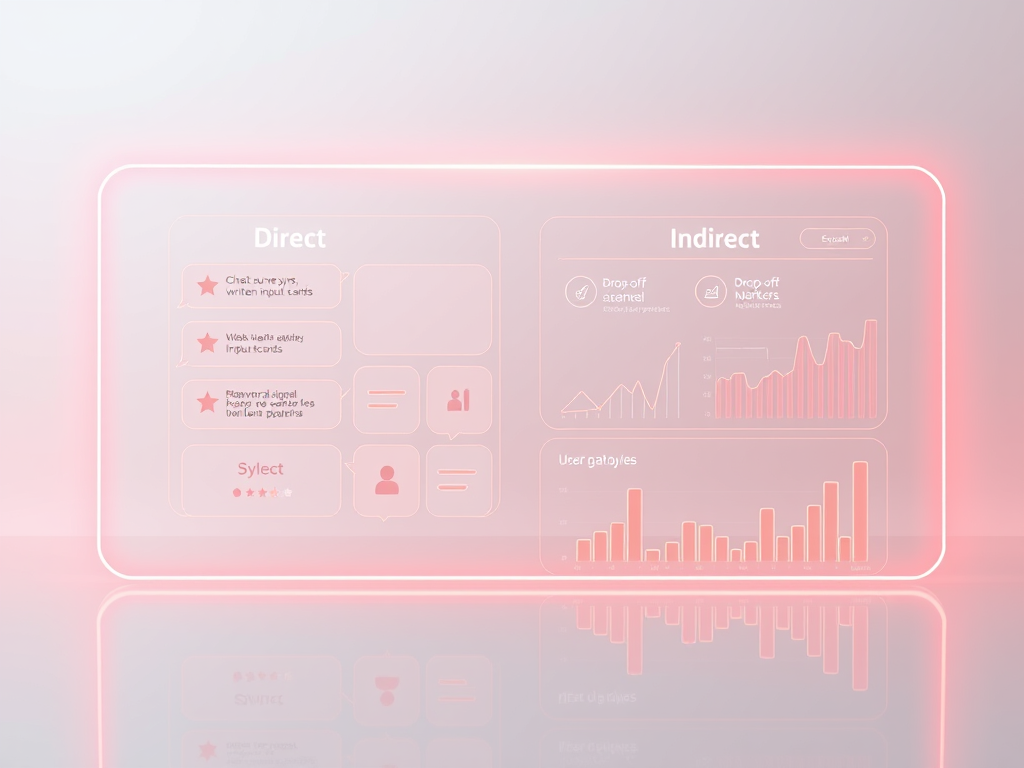
There are two key types of feedback to track:
- Direct Feedback
This includes responses from:
- Surveys (CSAT, NPS, onboarding or offboarding forms)
- Calls and check-ins with account managers or success teams
- Customer emails, chats, or comments on your service or platform
This type of feedback is often easier to collect, but risks bias. People who respond may be the most upset or the most loyal, leaving the middle ground underrepresented.
- Indirect Feedback
This includes behavioral signals like:
- Drop-off rates on signup flows, product steps, or contact forms
- Support ticket themes and repeat topics
- Tool usage or interaction data
- Delays, complaints, or rework patterns in internal processes
Indirect feedback is especially important because it often reveals where friction lives, even when no one complains out loud.
Team vs. Client Feedback
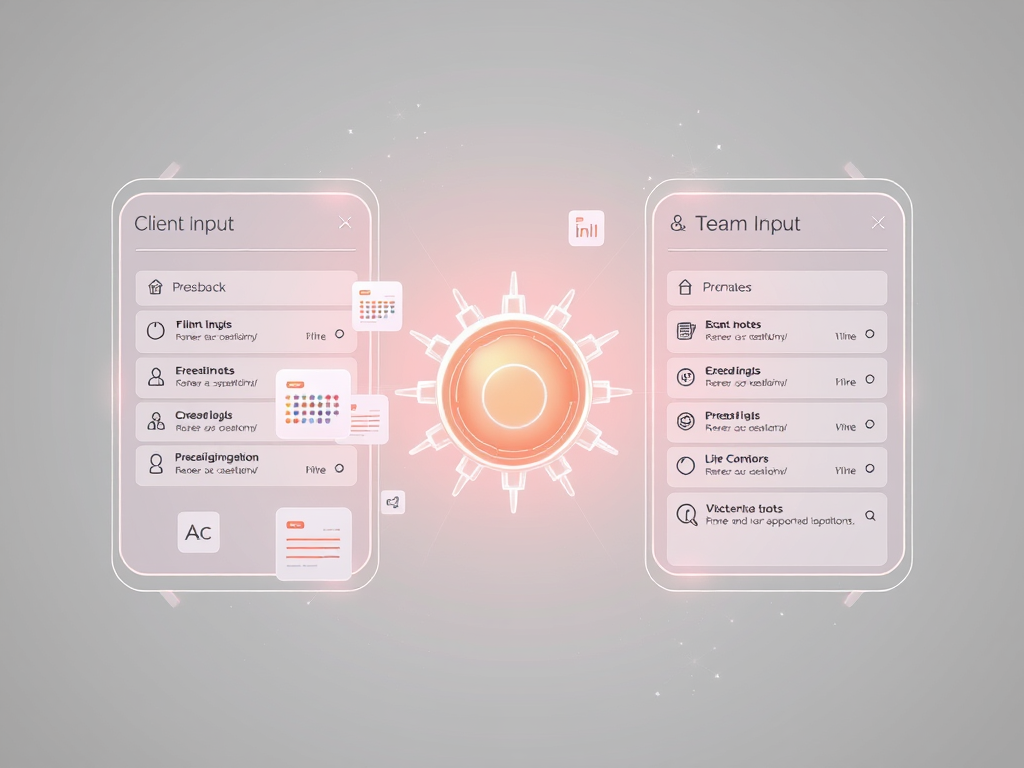
It’s easy to focus only on customer feedback. But your team often sees problems first. If they’re struggling with an internal process, so are your clients. If they’re improvising workarounds, your system is likely due for an update.
Make sure your feedback system includes:
- Regular internal retros or “what’s not working” forums
- Anonymous input channels (especially for operational feedback)
- A way to categorize and prioritize what you hear
Not all feedback is valid or actionable, and discernment matters just as much as collection.
Turning Feedback Into Patterns
Collecting feedback is only useful if you can spot patterns and act on them. That means your systems need to do more than just record individual comments. They need to support analysis, segmentation, and prioritization.
Building Feedback Systems That Work
Here’s what to focus on:
- Tagging or categorization: Group feedback by theme, product area, or journey stage so trends can emerge over time.
- Feedback dashboards or databases: Use tools like Airtable, Notion, or spreadsheet-based systems to track input from multiple channels.
- Ownership mapping: Every category of feedback should have a clear owner or escalation point to ensure it doesn’t vanish into a void.
Ask yourself:
- Are we hearing this once, or often?
- Is this coming from a priority segment?
- Is this problem internal, external, or both?
Without synthesis, feedback becomes noise. With it, you gain insight.
Using Insights to Spark Iteration
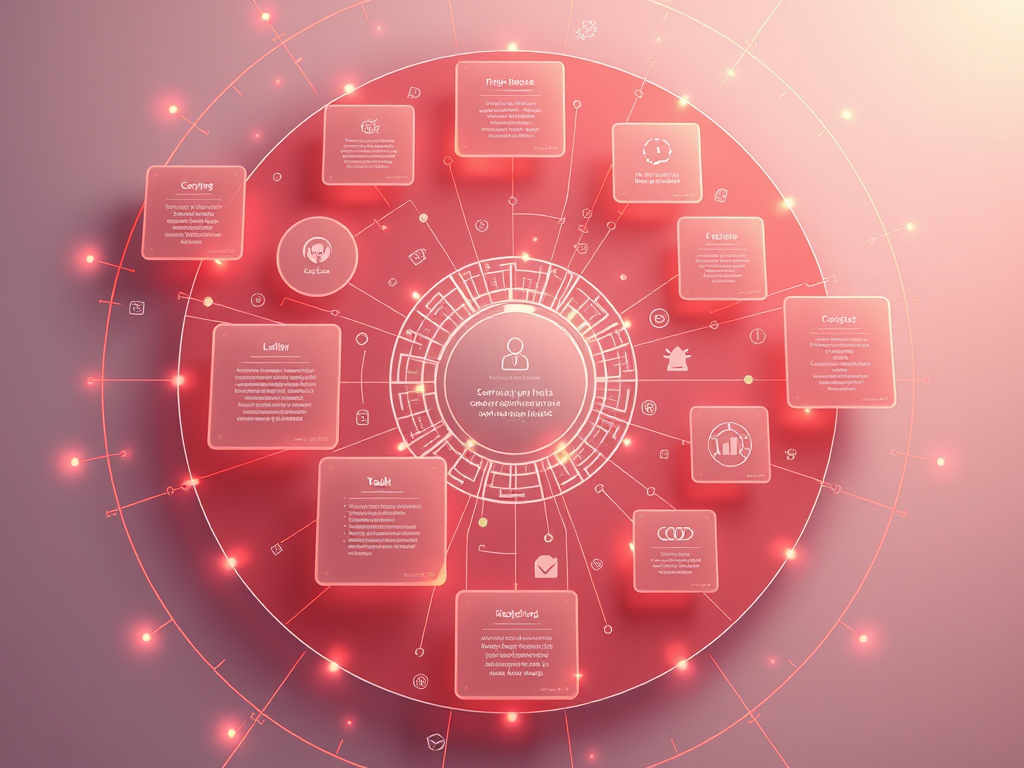
When feedback is translated into action, innovation becomes continuous. Not a quarterly brainstorm, but a habit.
Here are a few examples of iteration driven by feedback:
- A client onboarding sequence was shortened by 30% after multiple customers described it as “intimidating” and “too heavy.” The result was a faster time-to-value and fewer support tickets.
- A ticket escalation process was redesigned after internal staff flagged confusion around who owned resolution at each level. This led to faster handoffs and clearer accountability.
- A service-based company changed the structure of its monthly summary reports after users skipped key insights. By leading with highlights and using plain language, engagement increased significantly.
What these examples have in common is simple: feedback wasn’t just heard. It was translated into design choices. The iteration didn’t require reinvention. It required listening and adjusting.
The Role of Cross-Functional Collaboration
Feedback doesn’t live in one department. A support comment might be about product design. An internal frustration might be solvable by operations. A confusing invoice might come back to how sales sets expectations.
Creating shared visibility across teams allows feedback to become a shared responsibility, not something passed around until someone “owns” it.
Consider holding a quarterly feedback review with cross-functional leads. Ask:
- What trends are we seeing?
- Where are issues compounding?
- What small shifts could remove friction?
Closing the Loop With Customers
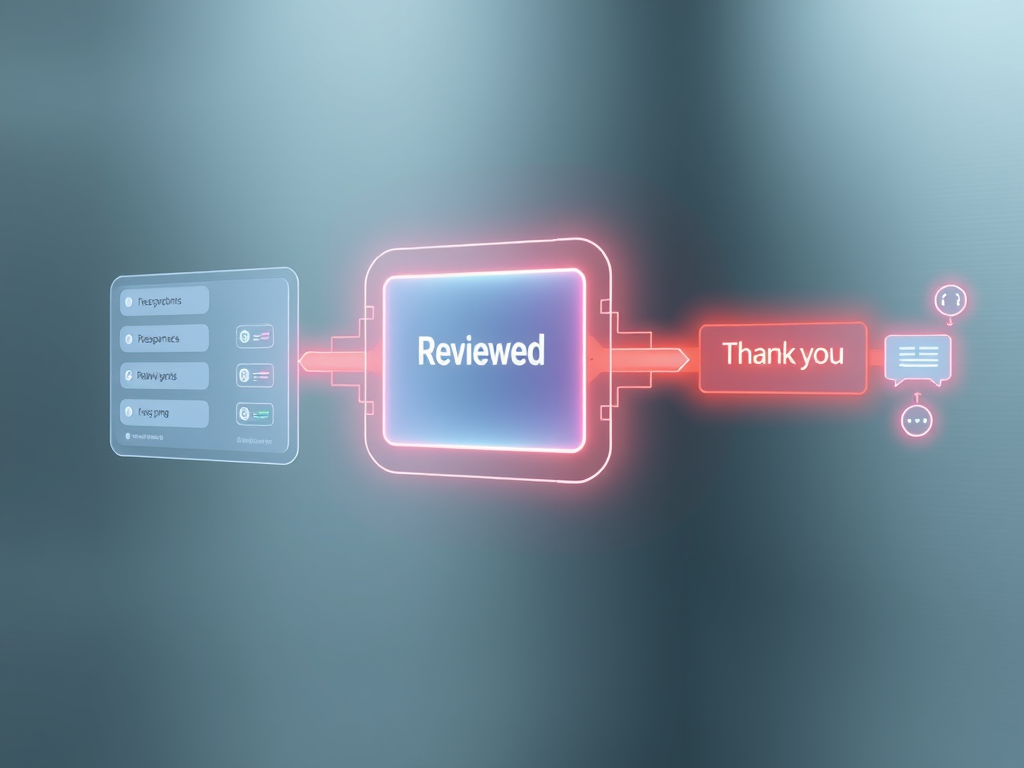
When customers offer feedback and hear nothing back, it’s worse than silence. It signals their time doesn’t matter. When you close the loop, by showing how their input informs change, you build trust and deepen engagement.
Even small gestures can have a big impact:
- Send a follow-up message noting what was changed based on recent survey input.
- Add a “You asked, we updated” section to newsletters or update emails.
- Invite top feedback contributors to review a beta version or preview update.
This kind of transparency reinforces that you’re not just gathering data. You’re listening.
Innovation Starts With Listening
Innovation doesn’t have to come from a whiteboard session or a new product line. It can, and often should, start with the quiet, everyday comments that point toward a better way of doing things.
Feedback, when taken seriously, creates momentum. It highlights where people are getting stuck, where expectations are missed, and where opportunities exist to surprise and delight.
This month, schedule a mid-year feedback review. Look at what your customers and your team have been saying, directly and indirectly. Identify one change you can make now, and one you want to design for next.
The answers are already there. The question is whether you’re ready to act on them.
Next week we continue July 2025’s theme, Customer Success and Relationship Management. Join us for Strategies for Building Long-Term Client Relationships.
ElevatedOps is a one-human company—curious, committed, and continuously improving. If this article resonated, feel free to share it or connect with us on LinkedIn. You’ll find all links on the Contact Us page. Thanks for reading—see you next time.
 ElevatedOps Consulting, LLC