

Operational excellence is not a one-time achievement—it is a continuous journey. For small and medium-sized businesses (SMBs), maintaining progress and fostering ongoing improvements is essential to long-term success. Continuous improvement (CI) is the engine that keeps organizations adaptable, efficient, and ahead of the competition. But how do businesses ensure that momentum does not fade after initial success?
Standing still in business is not an option. Continuous improvement is not about perfection; it is about persistent refinement. Organizations that embrace this philosophy create a culture where employees are empowered to identify inefficiencies, propose solutions, and contribute to lasting enhancements. This post explores key strategies to sustain continuous improvement, optimize processes, and cultivate a culture of relentless progress.

Understanding Continuous Improvement
Continuous improvement is the practice of making small, incremental changes that collectively lead to substantial long-term gains. Rooted in methodologies such as Lean, Six Sigma, and Kaizen, CI focuses on refining workflows, eliminating waste, and enhancing overall business performance. Unlike large-scale transformations, which can be disruptive, CI fosters steady, sustainable growth through manageable improvements over time.
For SMBs, continuous improvement means:
- Streamlining workflows to enhance efficiency.
- Identifying and eliminating waste in processes.
- Increasing customer satisfaction through consistent refinements.
- Empowering employees to take ownership of improvements.
- Using data to drive informed decision-making.
By embedding these principles into daily operations, businesses can create a self-sustaining system of innovation and efficiency.

How SMBs Can Keep the Momentum Alive
Implementing a continuous improvement strategy is just the beginning. The real challenge lies in maintaining focus, fostering engagement, and ensuring that improvement efforts remain a permanent fixture in business operations.
Here’s how SMBs can sustain CI momentum:
Cultivate a Culture of Innovation and Ownership
CI thrives in environments where employees feel empowered to contribute ideas and take ownership of process enhancements. Leaders should foster a culture that values innovation, encourages experimentation, and rewards improvement efforts.
- Encourage bottom-up feedback: Employees on the frontlines often have the best insights into operational inefficiencies. Establish mechanisms for them to share ideas, such as suggestion platforms, team brainstorming sessions, or anonymous feedback channels.
- Recognize contributions: Acknowledge and reward employees who identify and implement successful improvements. Recognition can be as simple as public appreciation, performance incentives, or internal awards.
- Create safe spaces for experimentation: Not all improvement initiatives will succeed, and that is okay. Encourage a mindset where calculated risks are embraced, and lessons are learned from failures.
Implement Structured Review Cycles
Regularly assessing progress ensures that continuous improvement efforts remain on track and aligned with business objectives. Without structured review cycles, improvements can stagnate.
- Establish regular performance evaluations: Schedule monthly or quarterly meetings to assess key operational metrics and identify areas for further enhancement.
- Use visual management tools: Dashboards, progress charts, and performance scorecards help teams see the impact of their efforts in real time.
- Ensure leadership involvement: When business leaders actively participate in review cycles, it reinforces the importance of continuous improvement and sets the tone for company-wide engagement.
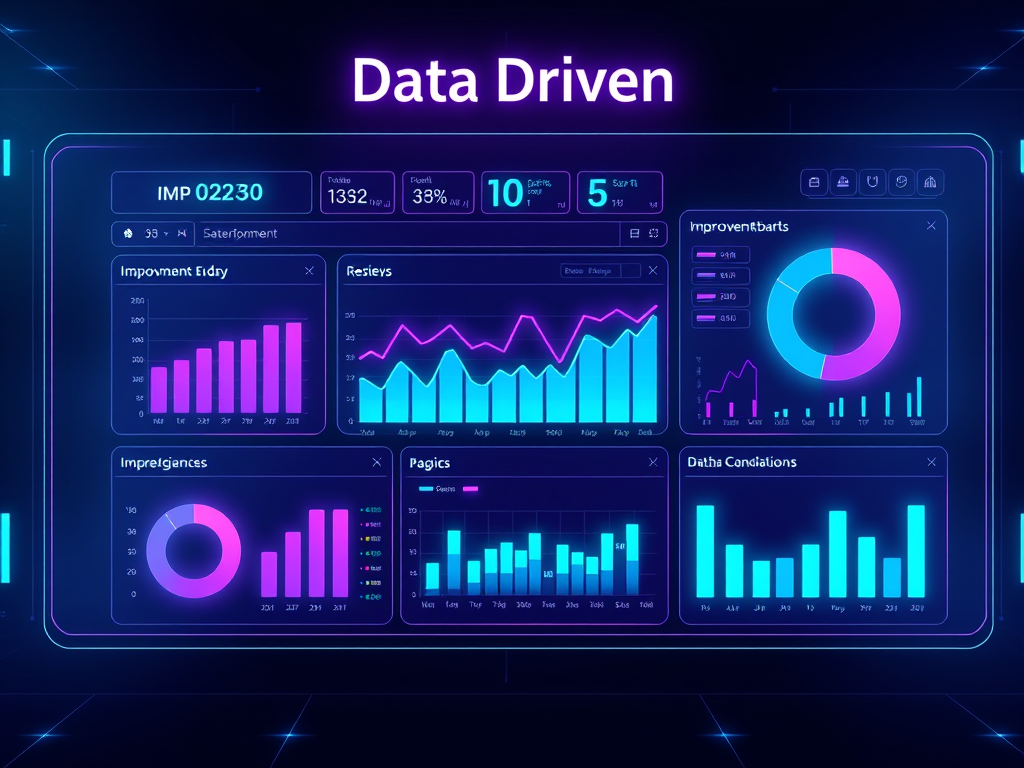
Leverage Data to Drive Smart Decisions
Data is a powerful tool in sustaining continuous improvement. SMBs should leverage analytics and performance metrics to refine strategies and make informed decisions.
- Identify key performance indicators (KPIs): Metrics like cycle time, defect rates, customer satisfaction scores, and productivity benchmarks provide a clear picture of operational health.
- Utilize business intelligence tools: Platforms such as Power BI, Tableau, or Google Data Studio can provide real-time insights into business performance.
- Encourage a data-driven mindset: Train employees to interpret and use data effectively so that improvement initiatives are based on facts rather than assumptions.
Overcoming Resistance to Change
One of the biggest roadblocks to sustaining continuous improvement is resistance to change. Even when improvements are beneficial, employees and even leadership may struggle to adapt. Addressing resistance head-on ensures that CI efforts do not stall.

- Understand the root causes of resistance: Employees may fear job displacement due to automation, worry about increased workloads, or simply be uncomfortable with new processes. Leaders must listen and address concerns proactively.
- Communicate the “why” behind changes: Clearly articulate the benefits of continuous improvement—not just for the company, but for employees. Show how improvements lead to less frustration, better workflows, and greater job satisfaction.
- Involve employees early in the process: People are more likely to embrace change when they feel included. Encourage team participation in brainstorming, pilot programs, and feedback sessions before rolling out new initiatives.
- Provide training and support: When employees lack the skills to adapt to process changes, frustration builds. Invest in training programs to equip teams with the knowledge needed to transition smoothly.
- Celebrate small wins: Recognizing early successes helps build confidence in the change process. Publicly acknowledge employees who contribute to improvements to reinforce a positive mindset.
By proactively addressing resistance, SMBs can smooth the path for ongoing enhancements and ensure that momentum is not lost due to uncertainty or reluctance.
Standardize and Document Improvements
One of the biggest risks in CI initiatives is losing progress due to poor documentation and lack of standardization.
- Create process documentation: Whenever a successful improvement is implemented, update standard operating procedures (SOPs) to reflect the change.
- Ensure consistency: Standardized processes help avoid regressions and ensure that improvements are maintained across teams.
- Make documentation accessible: Use digital repositories, knowledge-sharing platforms, or internal wikis to keep all improvement records readily available.

Sustain Engagement Through Leadership Commitment
Without strong leadership support, CI initiatives can lose momentum. Leaders must set the example and continuously reinforce the importance of ongoing improvement.
- Communicate the long-term vision: Help employees understand how continuous improvement aligns with company goals and enhances their daily work.
- Be actively involved: Leaders should participate in improvement discussions, attend training sessions, and celebrate wins.
- Ensure accountability: Assign CI champions within teams to oversee progress and keep initiatives moving forward.
Continuous Improvement as a Competitive Advantage
Sustaining continuous improvement is not just about optimizing processes—it is about building a mindset that embraces change, innovation, and long-term success. By fostering a culture of ownership, leveraging data, standardizing improvements, and investing in employee development, SMBs can keep the momentum alive and drive ongoing excellence.
Continuous improvement is a competitive advantage that separates agile, resilient businesses from those that stagnate. Leaders who commit to an ongoing journey of refinement will position their organizations for sustained growth, innovation, and operational excellence.
Next week we explore real-world examples of businesses that have successfully embedded continuous improvement into their operations. We’ll dive into case studies that showcase how organizations have leveraged data, lean principles, and a culture of excellence to drive remarkable results. Join us next week for Case Studies in Operational Excellence.
 ElevatedOps Consulting, LLC