

Founder Focus | March 2025
Welcome to Founder Focus, a monthly series from ElevatedOps Consulting designed to empower entrepreneurs and business leaders with actionable insights and proven strategies. Published on the first Tuesday of each month, this series dives deep into the core principles of operational excellence, leadership, and sustainable growth. Each post offers expert guidance tailored to help you build, scale, and refine your startup or business venture. Let’s elevate your vision and set the foundation for long-term success.

Scaling Your Business: The Role of Operational Strategy
Scaling can be one of the most exciting—and daunting—challenges entrepreneurs and business owners face. Whether you’re transitioning from startup to growth mode, or an established company expanding into new markets, the right operational strategy can be the difference between success and stagnation.
Scaling requires more than just increasing production or adding new clients—it’s about creating a foundation that supports growth in a sustainable, efficient, and strategic way. To navigate this journey, businesses must adopt operational strategies that optimize processes, enhance efficiency, and foster continuous improvement. This post will explore why operational strategy is crucial for scaling your business and how to implement a successful one.
What is Operational Strategy?
Operational strategy is the blueprint for how a company organizes and utilizes its resources to achieve its business goals. It encompasses the systems, processes, people, and technology that work together to ensure smooth operations across all areas of the business. A strong operational strategy aligns with the business’s long-term vision and ensures that the processes in place are capable of handling growth without sacrificing quality, efficiency, or customer satisfaction.
When scaling a business, the need for a streamlined and well-designed operational strategy becomes even more pronounced. Without a solid operational foundation, a company risks overextension, inefficiency, and burnout. This is where a thoughtful and adaptive approach to operational strategy comes in.
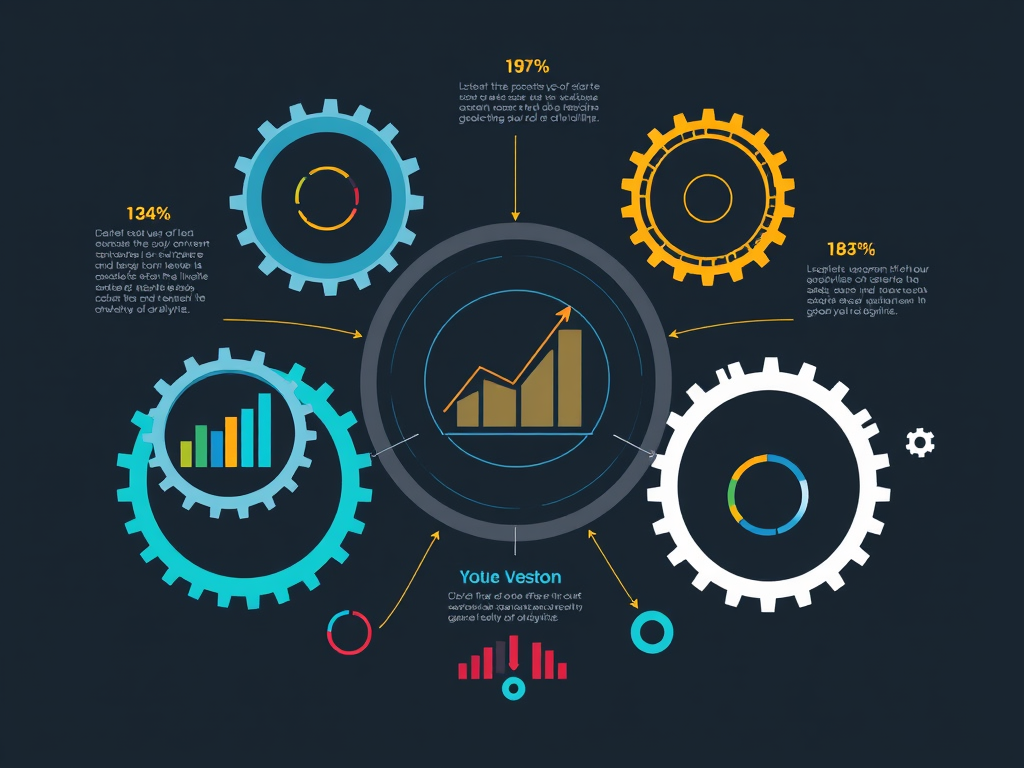
The Key Elements of an Effective Operational Strategy for Scaling
As you scale, the operational strategy you build must evolve. Here are the critical elements to consider:
- Process Optimization: Streamlining for Efficiency
Scaling often means managing increased complexity—more customers, larger teams, and greater operational demands. One of the first steps in an effective operational strategy is identifying and streamlining processes to remove inefficiencies. This can include adopting lean practices, automating routine tasks, or restructuring workflows to reduce bottlenecks.
For example, if your customer service operations are growing, consider how you can standardize workflows or implement digital tools to automate ticket management and customer inquiries. This will ensure that your team can handle more volume without losing quality or becoming overwhelmed. The key is to align your processes with the desired scale and avoid adding unnecessary complexity as your business grows.
- Digital Transformation: Adopting Technology for Growth
Digital transformation is less optional than it used to be. From automating customer service functions to improving internal collaboration and decision-making, technology can play a pivotal role in scaling operations effectively.
An operational strategy that leverages digital tools can help you increase productivity, enhance the customer experience, and foster innovation. A prime example of this is the implementation of customer relationship management (CRM) systems, which centralize customer data, automate communication, and provide valuable insights into client interactions.
Similarly, integrating AI and data analytics into your operations can allow you to make data-driven decisions and predict trends, helping you scale with intelligence and agility. This proactive approach enables companies to stay ahead of the curve and respond to changes in the market swiftly.
- Talent Management: Building Strong Teams for Growth
As your company scales, your team will play a central role in achieving success. Operational strategy must include a clear plan for talent management. Ensuring that your team is equipped with the right skills, experience, and mindset is essential for maintaining productivity and fostering innovation.
Hiring strategies should focus on building a team that aligns with your company’s values—innovation, collaboration, and excellence. Additionally, nurturing your existing employees through training and leadership development programs will allow them to step into higher roles as your business grows. Creating a culture that embraces continuous learning and improvement will not only help with scaling but also ensure your team is agile and adaptable as new challenges arise.
- Customer-Centricity: Keeping the Customer at the Core
As businesses scale, it’s easy to become focused solely on internal growth, but it’s critical to maintain a customer-centric mindset throughout the process. Your operational strategy must be built with the customer experience in mind, ensuring that growth doesn’t compromise service quality or satisfaction.
This could involve implementing new customer support tools, enhancing user interfaces for a better experience, or using customer feedback to refine products and services. Regardless of the approach, the goal is to foster loyalty and satisfaction while scaling operations to meet increased demand.
- Continuous Improvement: Adapting to Change
Scaling your business isn’t a one-time effort. It requires ongoing adjustments to ensure that your operations stay optimized, relevant, and effective. The principle of continuous improvement—an essential aspect of Lean and Agile methodologies—should be embedded into your operational strategy. By continuously analyzing performance, collecting feedback, and making incremental improvements, you can keep your business agile, adaptable, and competitive.
As you scale, your operational strategy must remain dynamic. Look for areas where you can introduce incremental innovations or improvements—whether it’s through optimizing a new customer journey, refining internal communication systems, or adopting emerging technologies. Small, consistent changes lead to long-term success.
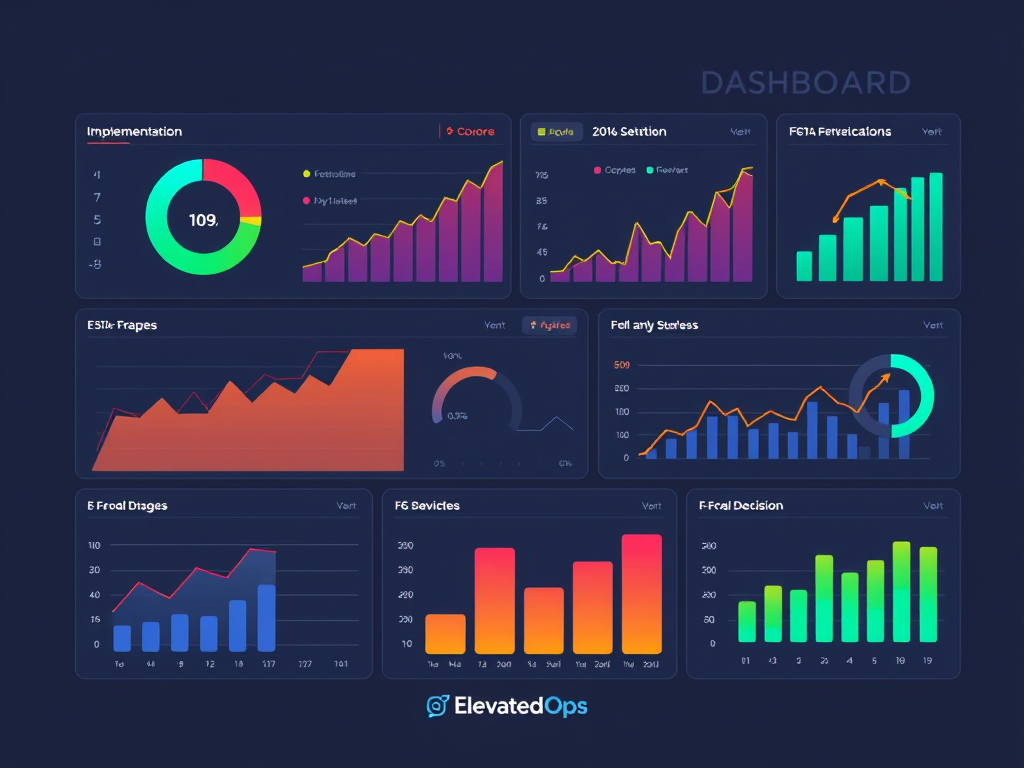
How to Implement an Operational Strategy for Scaling
Building an effective operational strategy to scale your business involves both planning and action. Here’s a step-by-step guide to help you implement it:
- Assess Your Current State: Before making any changes, conduct a thorough assessment of your current operations. Identify bottlenecks, inefficiencies, and areas where growth could be stifled. Be sure to consult your team, as they often have valuable insights into the day-to-day challenges and opportunities for improvement.
- Define Clear Objectives: Scaling requires clear goals. Identify what success looks like at different stages of your business’s growth and make sure your operational strategy aligns with those objectives. For example, you may focus on improving customer experience in the short term while optimizing backend operations for efficiency in the long term.
- Adopt the Right Technology: Choose technology solutions that will allow you to scale efficiently. This may involve upgrading your software stack, adopting new digital tools, or integrating systems that support automation and analytics. Be strategic about which tools are worth the investment for your specific growth needs.
- Train and Develop Your Team: As you scale, invest in developing your team’s capabilities. Provide training in areas such as leadership, project management, and technical skills. Ensure they are well-equipped to handle increased workloads and responsibilities, while fostering a culture of continuous improvement.
- Monitor and Iterate: Once your operational strategy is in place, regularly monitor its effectiveness and iterate as necessary. Track key performance indicators (KPIs) that reflect operational efficiency, customer satisfaction, and growth. Use this data to refine your strategy and ensure that your business is continuously moving toward its growth objectives.
Scaling with Operational Excellence
Scaling your business is a multifaceted endeavor that requires careful planning, strategy, and execution. Operational strategy is at the heart of this process, providing the systems, processes, and frameworks needed to handle growth efficiently and sustainably. By focusing on process optimization, adopting technology, developing talent, maintaining a customer-centric approach, and committing to continuous improvement, you can ensure your business scales in a way that maximizes results and fosters long-term success.
In next month’s Founder Focus, join us for a look at Tech Tools Every Startup Needs for Growth.
 ElevatedOps Consulting, LLC