

Lean and Agile methodologies are renowned for driving efficiency and innovation in business, but their principles are equally transformative in daily life. These tools provide structured frameworks for tackling challenges, improving processes, and achieving meaningful goals.
This post was inspired by a special request for a beginner’s guide—a starting point for someone with no background in Lean or Agile but a desire to learn which tools or methods to try for specific situations or problems. Open to new approaches, this person sought clarity on where to begin.
With that in mind, this guide introduces a broad array of Lean and Agile tools, organized for easy application, to help anyone—regardless of experience—navigate personal and professional challenges with confidence and purpose. Whether you’re trying to prioritize tasks, improve routines, or make impactful decisions, this resource is designed to meet you where you are and equip you with actionable solutions.
1. Foundation Frameworks for Problem-Solving
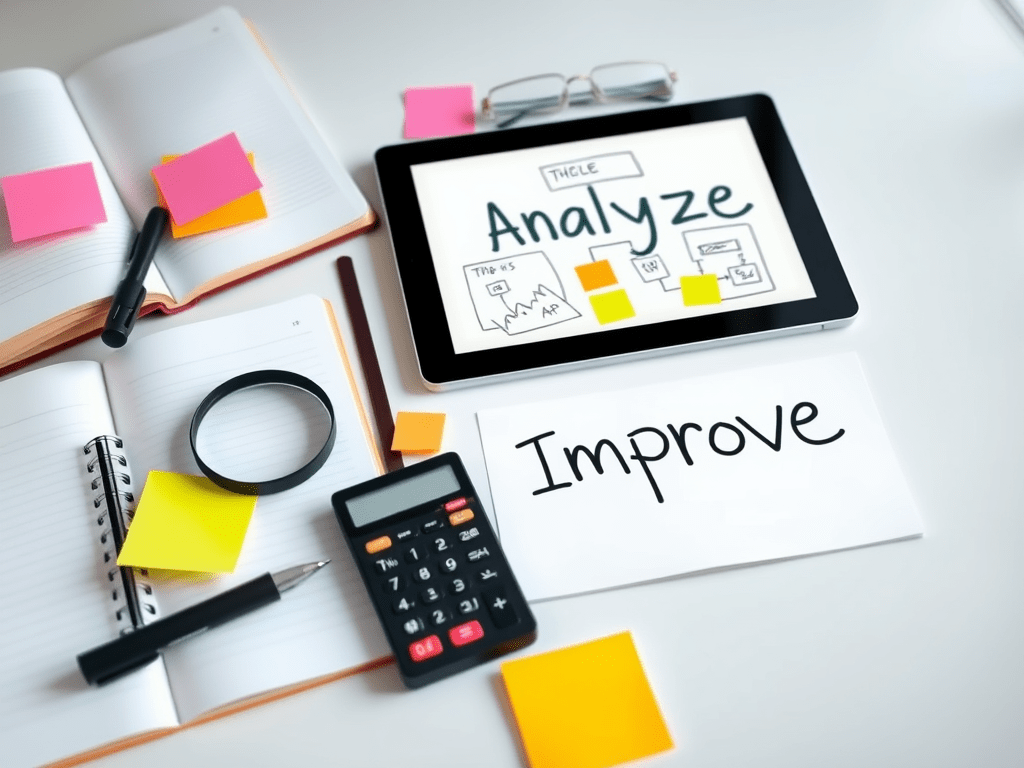
DMAIC (Define, Measure, Analyze, Improve, Control)
This structured, data-driven approach is ideal for solving complex problems.
- Morning Routine Efficiency: Define wasted time as the problem, measure how long each task takes, analyze delays, improve with time-saving strategies, and control the process by tracking results.
- Team Meetings: Streamline agendas and eliminate unproductive discussions by identifying inefficiencies and implementing targeted improvements.
PDCA (Plan, Do, Check, Act)
An iterative cycle for continuous improvement, PDCA is perfect for experimenting and refining solutions.
- Meal Planning: Plan recipes for the week, prepare meals, review efficiency and taste, and adjust accordingly.
- Fitness Routines: Test a new workout plan, monitor results, and tweak it for optimal performance.
Kaizen (Continuous Improvement)
Kaizen emphasizes small, ongoing improvements that lead to significant change over time.
- Family Budgeting: Regularly review expenses, brainstorm small adjustments, and track progress.
- Team Collaboration: Conduct brief Kaizen meetings to gather improvement ideas after each project milestone.

2. Practical Tools for Everyday Life
5S System (Sort, Set in Order, Shine, Standardize, Sustain)
Organize physical or digital spaces to boost efficiency and clarity.
- Digital Decluttering: Sort files, organize folders logically, and create standardized naming conventions.
- Kitchen Setup: Group frequently used utensils and ingredients for quicker and easier meal prep.
Affinity Diagrams
A tool to organize ideas based on common themes to simplify decision-making and planning.
- Holiday Planning: Group gift ideas by recipient preferences or shopping categories.
- Project Brainstorming: Cluster related suggestions to identify focus areas and priorities.
SIPOC Analysis
Map out processes by defining Suppliers, Inputs, Process, Outputs, and Customers.
- Event Planning: Identify necessary resources (venues, caterers), clarify steps, and consider stakeholder needs.
- Chore Assignments: Organize household tasks, assigning clear roles for cleaning, shopping, and meal prep.

3. Prioritization and Focus Tools
Eisenhower Matrix
Categorize tasks by urgency and importance to prioritize effectively.
- Daily Planning: Focus on high-impact tasks while delegating or eliminating low-priority items.
- Work-Life Balance: Eliminate tasks that are neither urgent nor important to free up time for meaningful activities.
Timeboxing and Sprints
Set focused time periods to build momentum and complete tasks efficiently.
- Decluttering Projects: Dedicate 15-20 minutes to organize a single drawer or closet.
- Content Creation: Use a 90-minute sprint to write uninterrupted, then refine your work afterward.

4. Collaboration and Communication Tools
RACI Matrix
Clarify roles and responsibilities for better teamwork and accountability.
- Vacation Planning: Assign specific tasks like booking flights, researching accommodations, and packing using the Responsible, Accountable, Consulted, and Informed framework.
- Team Projects: Avoid confusion by clearly defining who does what in collaborative efforts.
Agile Retrospectives
Reflect on successes and challenges to enhance future efforts.
- Post-Vacation Debriefs: Discuss what worked (e.g., smooth travel logistics) and areas for improvement (e.g., better packing strategies).
- Work Projects: Use retrospectives after milestones to adjust and improve plans for the next phase.
Hoshin Kanri
Align long-term goals with actionable short-term steps.
- Career Development: Break a 5-year goal into quarterly and monthly tasks, such as pursuing certifications or expanding your network.
- Home Projects: Translate your vision for a dream home into manageable renovation plans.
5. Advanced Tools for Process Optimization
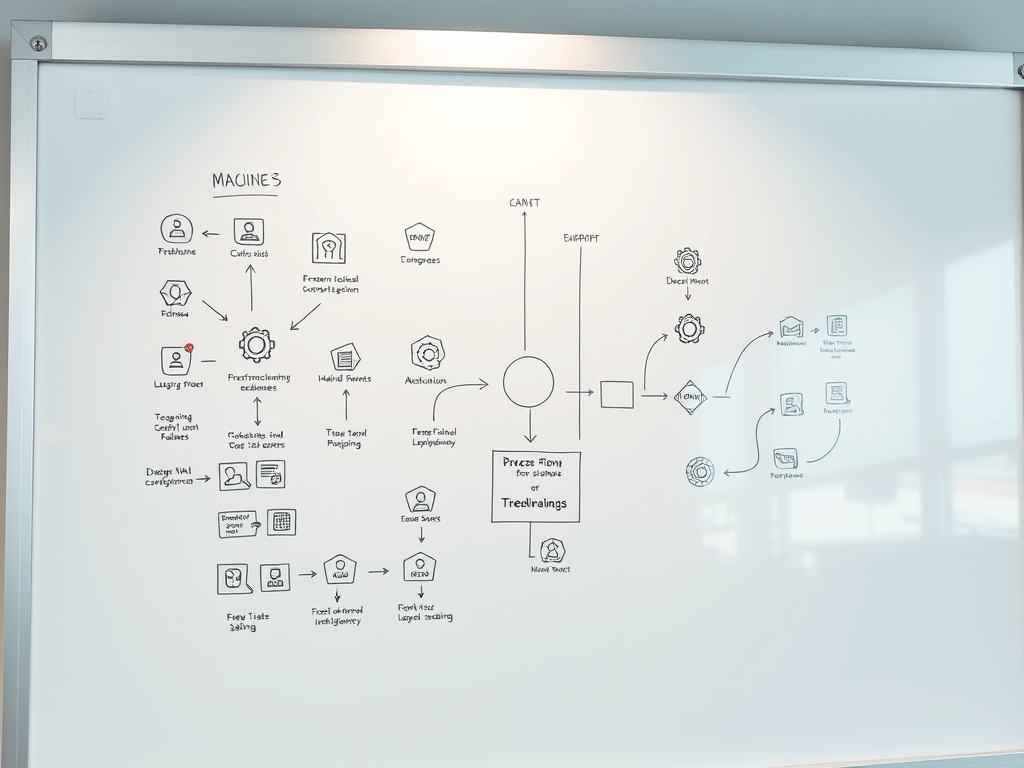
Value Stream Mapping (VSM)
Visualize workflows to identify inefficiencies and streamline processes.
- Weekly Errands: Plan stops to minimize travel time and effort.
- Work Processes: Map out team workflows to pinpoint and resolve bottlenecks.
Gemba Walks
Observe activities firsthand to uncover opportunities for improvement.
- Family Mornings: Watch how routines unfold to identify time-saving adjustments.
- Workplace Visits: Gain valuable insights by observing processes in action, whether at a shop floor or a client site.
A3 Problem-Solving
A one-page tool for outlining problems, root causes, solutions, and action plans.
- Personal Goals: Address challenges like creating time for hobbies, analyze barriers, and outline solutions.
- Team Objectives: Use A3s collaboratively to tackle recurring issues or define strategies for success.
Action Creates Momentum
Lean and Agile tools are about more than just efficiency—they’re about achieving meaningful, sustainable improvement. The key is to start small: choose one tool that resonates with your current challenges, apply it, reflect on its impact, and iterate.
Remember, not every tool will work for everyone or every situation, and that’s okay. If something doesn’t add value or suit your needs, don’t hesitate to set it aside and try something else. Flexibility and adaptability are central to these methodologies, and being open to change ensures you’re always moving toward better outcomes.
By integrating these tools into your daily life, you’ll uncover new ways to solve problems, improve processes, and make progress on your most important goals. Perfection isn’t the goal—action is.
Let’s make 2025 a year of intentional, impactful change.
Ready to Elevate your Operations? Contact us today!
ElevatedOps Consulting, LLC
“Efficiency Elevated: Optimizing Operations, Maximizing Results”
 ElevatedOps Consulting, LLC