
As businesses face rapidly shifting demands, Agile and Lean methodologies have become indispensable for fostering innovation and delivering value. While each has distinct origins—Agile rooted in software development and Lean in manufacturing—their shared principles make them complementary forces for driving change. Together, they empower organizations to enhance efficiency, reduce waste, and cultivate a culture of continuous improvement, offering a transformative path to success in an increasingly dynamic world.
At ElevatedOps Consulting, we integrate Agile and Lean to address challenges with flexibility and efficiency, ensuring exceptional value delivery. Let’s explore how these methodologies align, diverge, and work together to create remarkable results.
Revisiting Agile and Lean Foundations
What Is Lean?
Lean is a methodology rooted in manufacturing, emphasizing the reduction of waste and the optimization of value delivered to customers. Key principles include streamlined processes, continuous improvement, and maximizing efficiency.

What Is Agile?
Agile is a mindset and methodology tailored for adaptability in fast-paced environments. Emerging from software development, Agile prioritizes iterative progress, collaboration, and responsiveness to change.
Shared Values Between Agile and Lean
Despite their distinct origins, Agile and Lean share foundational principles:
- Customer-Centric Focus: Delivering value to customers is the ultimate goal.
- Continuous Improvement: Iteration and refinement are at the heart of both methodologies.
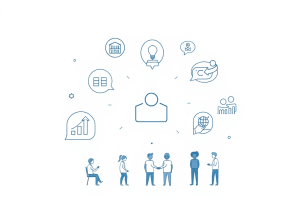
- Empowered Teams: Both trust teams to self-organize, innovate, and take ownership of their work.
By embracing these shared values, organizations can better align their goals, empower their teams, and stay adaptable in a competitive landscape.
Synergies in Practice
Combining Agile and Lean allows organizations to leverage the best of both methodologies:
Agile Sprints with Lean Value Streams
By aligning Agile’s iterative sprints with Lean’s value streams, teams can deliver incremental value while maintaining a holistic view of operational efficiency.
Visual Management Tools
Kanban boards, for example, exemplify the overlap between Agile and Lean, offering a visual representation of workflows to identify bottlenecks and track progress.
Continuous Feedback Loops
Agile’s retrospective process aligns seamlessly with Lean’s Plan-Do-Check-Act (PDCA) cycle, creating powerful feedback mechanisms that drive ongoing improvement.
Where They Diverge
Understanding the nuances of Agile and Lean helps clarify their unique strengths:
| Lean | Agile |
|---|---|
| Focuses on reducing waste and optimizing entire systems. | Emphasizes adaptability and flexibility through iterative cycles. |
| Rooted in manufacturing and process efficiency. | Originated in software development for rapid change. |
| System-wide approach to value delivery. | Team-focused approach to delivering incremental improvements. |
Connecting to Additional Content
ElevatedOps blog has explored the principles of Agile and Lean extensively throughout the year. If you’re new to these methodologies or looking to dive deeper, here’s a curated list of articles that highlight their power and application:
Agile Topics:
- Waterfall vs. Agile: Understanding the Key Differences
- Thrive Anywhere: Your Essential Guide to Remote Work Success
Lean Topics:
- Elevating Operations via Continuous Improvement
- Lean Customer Service: Happy Clients, Happier Business
Combined Agile & Lean Topics:
- Leading from the Front: Guiding Teams Through Change
- Thriving on Constraints: Drive Success on a Limited Budget
These articles demonstrate the practical benefits of Agile and Lean, offering actionable insights for businesses looking to optimize their strategies.
Application Across Industries
My work over the past five years has spanned industries not traditionally associated with Agile and Lean, such as health-tech, insurance, customer support, and startups. These experiences have shown me how to tailor these methodologies for specific challenges and achieve impactful results.

Here are some examples of how Agile and Lean principles can deliver value across diverse industries:
- Customer Service Teams: Agile principles enhance responsiveness, while Lean techniques streamline service delivery processes.
- Healthcare Providers: Lean eliminates inefficiencies, and Agile fosters adaptability to patient needs and regulatory changes.
- Marketing Departments: Agile sprints facilitate rapid campaign iterations, while Lean optimizes budget allocation and execution.
This cross-industry adaptability underscores the importance of adopting a mindset of continuous improvement, which lies at the heart of both methodologies.
Continuous Improvement as a Mindset
To truly harness the synergy of Agile and Lean, organizations must embrace a mindset of continuous improvement.
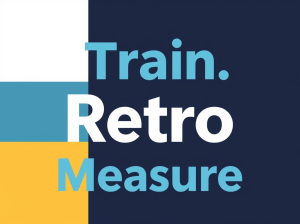
Start by:
- Training Teams: Equip teams with the knowledge and tools to implement Agile and Lean effectively.
- Using Retrospectives: Regularly evaluate outcomes and adjust strategies.
- Measuring Impact: Establish metrics to assess how Agile and Lean practices improve efficiency, customer satisfaction, and team dynamics.
Why Combine Agile & Lean
At ElevatedOps Consulting, we don’t just apply Agile and Lean independently. We see them as two sides of the same coin—a philosophy that drives continuous improvement and operational excellence. By embracing their synergy, businesses can:
- Innovate rapidly in competitive markets.
- Streamline operations for scalable and sustainable growth.
- Empower teams to solve problems creatively and collaboratively.
Closing Thoughts
The synergy between Agile and Lean provides a powerful framework for navigating today’s fast-paced, complex business landscape. Whether you’re spearheading a startup, managing growth in an established company, or operating within a highly regulated industry, leveraging the strengths of these methodologies can unlock untapped potential, streamline operations, and set your organization up for long-term success.

At ElevatedOps Consulting, we partner with businesses to tailor Agile and Lean principles to their unique challenges and goals. Together, we can maximize the impact of these methodologies, driving measurable results and creating a culture of continuous improvement.
Ready to elevate your operations? Schedule a free consultation today and take the first step toward optimizing your processes, enhancing productivity, and achieving sustainable growth.
“Efficiency Elevated: Optimizing Operations, Maximizing Results”
 ElevatedOps Consulting, LLC